
Udawalawe wildlife and the safari experience
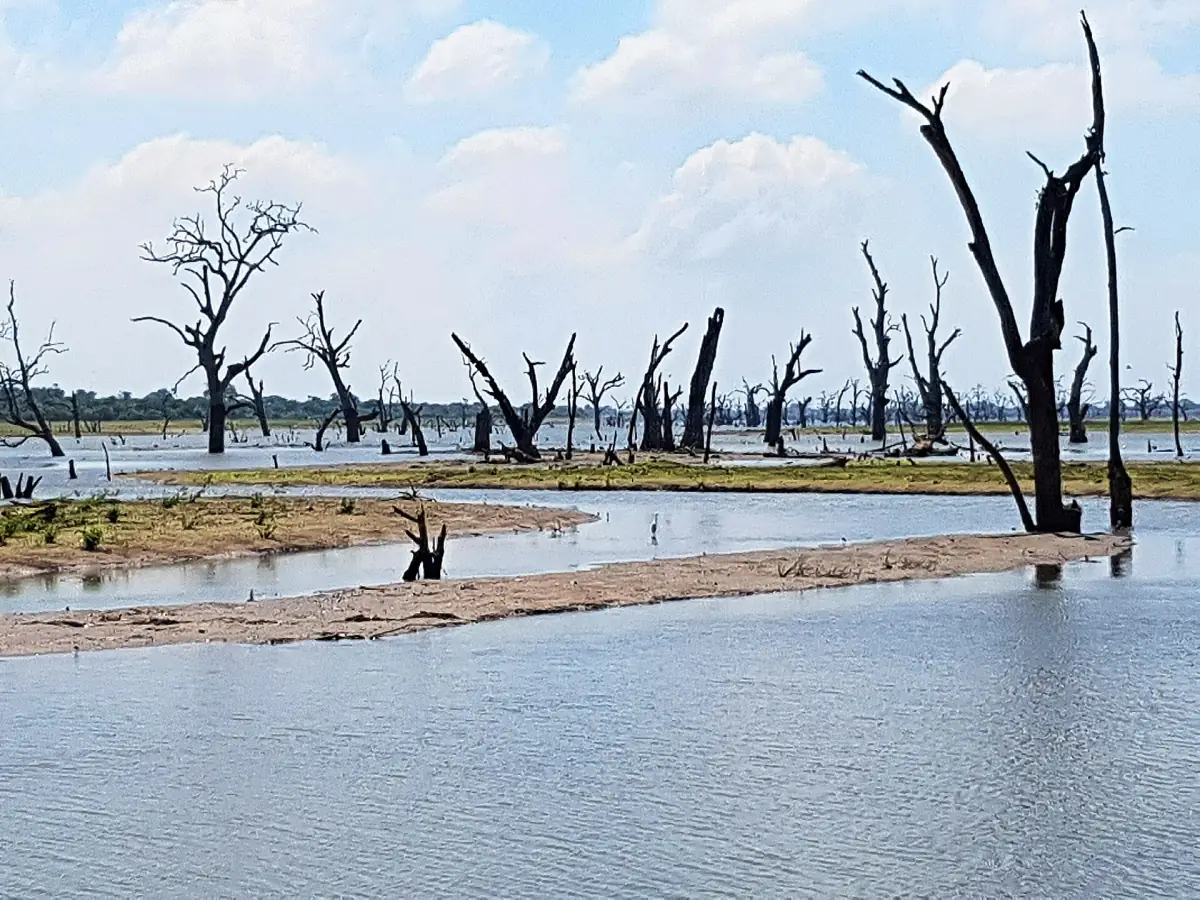
Udawalawe wildlife includes Asian elephants, water buffalo, deer, crocodiles and birds across open grassland, scrub and forest habitats. A vehicle safari brings these settings into the same outing. The Walawe River and reservoir supply water, giving the landscape a clear focus without making any individual animal encounter certain. Watch the habitats as well as the larger mammals: the experience is broader than a checklist of sightings.
Udawalawe's wildlife excursions offer different ways to organise that observation. Travellers arriving by ship can choose a Hambantota Port excursion with binoculars; visitors staying on the south coast can choose a safari with pickup around Mirissa, Galle or Hikkaduwa. The safari overview compares the wider range of journeys, while getting there explains why Udawalawe town and the park entrance are separate destinations.
Our picks: wildlife safaris
The south-coast departure includes a driver-guide. From Hambantota, both excursions provide binoculars; one also includes a lakeside picnic.
Hand-picked tours, booked through GetYourGuide. Prices are indicative starting prices in US dollars (as of November 2026). Tap a tour for live availability and the current price in your currency.
Udawalawe safari from Hambantota
- Use of binoculars
- Water and cool drinks
- Snacks on board
Pickup and return are available from the port or a Hambantota hotel according to your booking. Park entry is extra.
Check availability →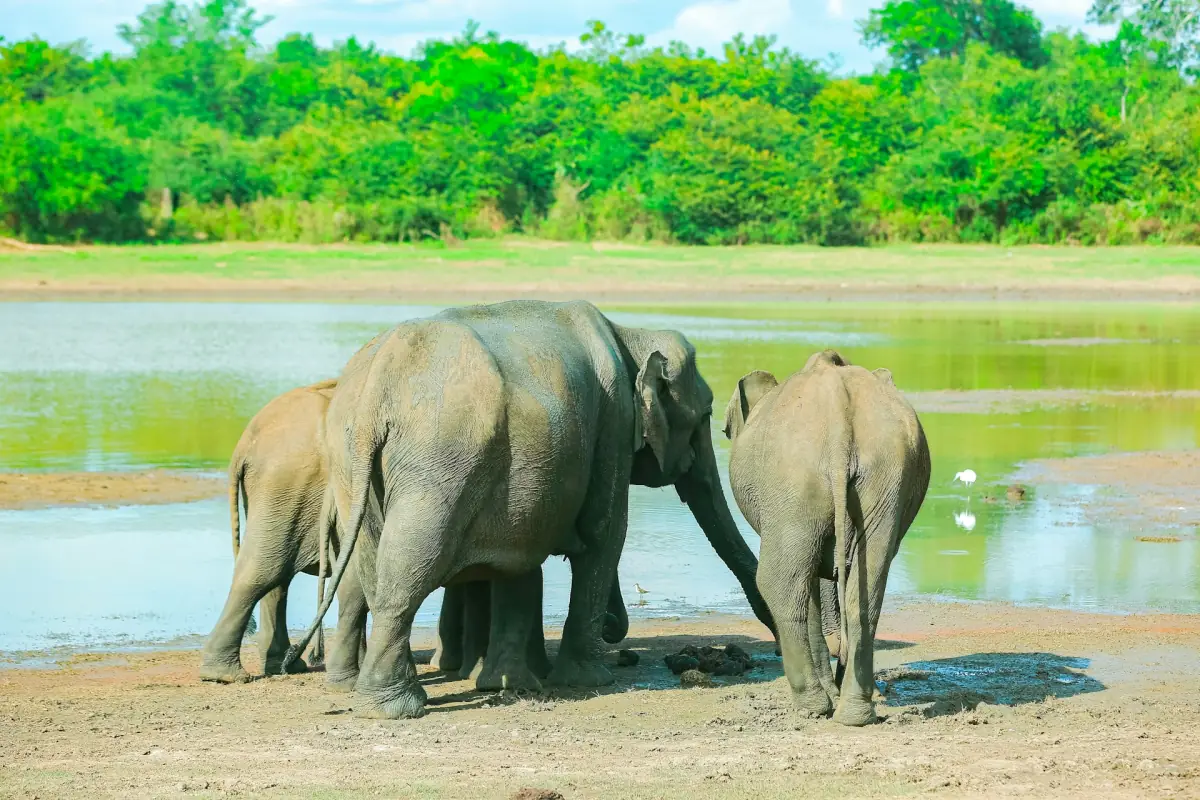
Guided safari from Hambantota port
- Professional binoculars
- Lakeside picnic
- Bottled water
The excursion includes round-trip transport and an elevated safari Jeep. Park entry is extra.
Check availability →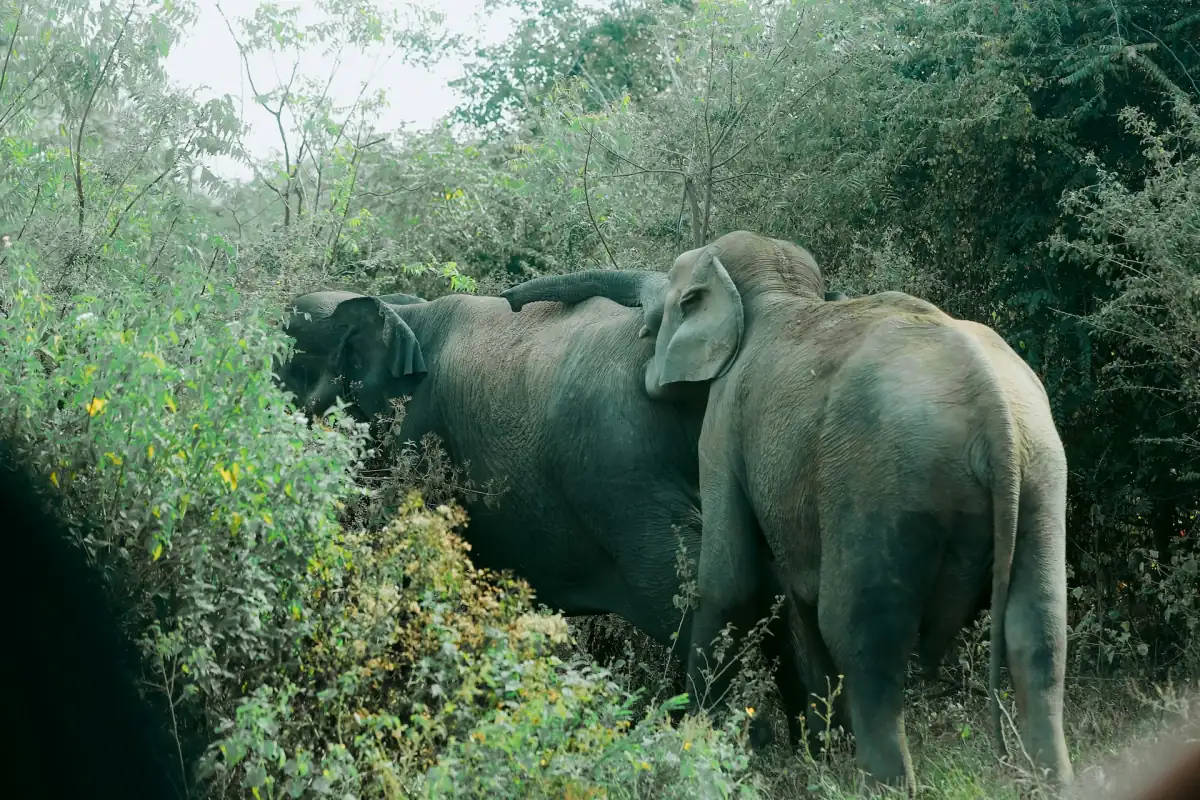
Safari from the south coast
- Air-conditioned car
- Experienced guide and driver
Pickup depends on the option booked. Park entry is extra.
Check availability →Wildlife safaris from Hambantota and the south coast
Port excursions include binoculars for watching animals from the jeep, while coastal pickup connects a safari with a stay around Mirissa, Galle or Hikkaduwa. Park admission is separate for these options.
Elephants around the reservoir
Udawalawe's elephants use grassland habitats in a landscape supported by the Walawe River and reservoir. The water sources are available throughout the year, but the animals move freely. Treat the safari as a chance to observe wild behaviour, with room for quiet waiting and changes in what comes into view.
The Elephant Transit Home provides a different experience from watching wild elephants. The rehabilitation centre cares for young animals with the aim of returning them to the wild. Visitors observe behind a barrier. Use the Elephant Transit Home guide for that separate visit rather than treating a park safari as admission to the centre.
Other mammals and crocodiles
Udawalawe's recorded mammals include sambar, spotted deer, wild boar, water buffalo, golden jackal and toque macaque, as well as the Sri Lankan leopard. These species belong to the park's wildlife, rather than a promised sequence of stops. Let the driver-guide interpret the animals that actually appear during the outing.
Udawalawe also has mugger crocodiles and water monitors. Crocodiles here should be understood as crocodiles, rather than alligators. Keep observation within the safari format and follow safety instructions. A photograph of a waterside animal is a reason to look carefully from the vehicle, without turning the reservoir into a swimming or walking itinerary.
Birds and birdwatching
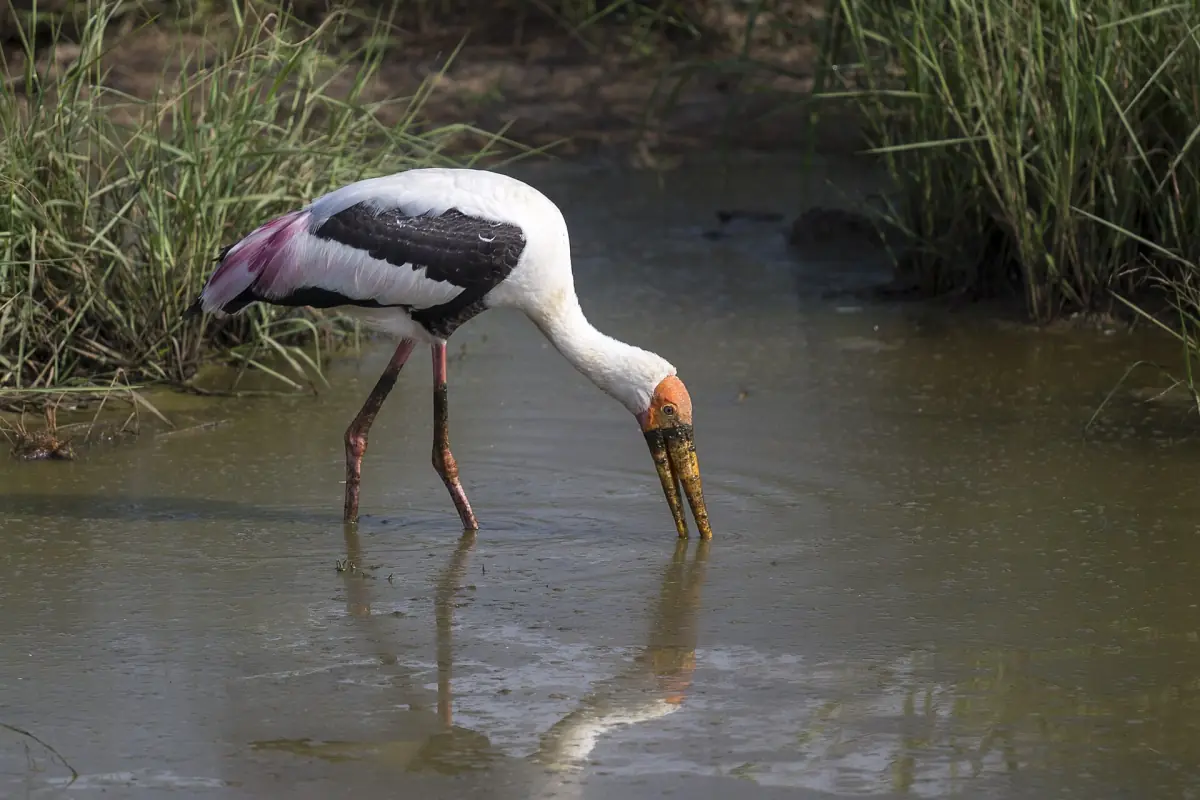
Udawalawe's birdlife includes Sri Lanka junglefowl, Sri Lanka grey hornbill, Malabar pied hornbill and little cormorant. Birdwatching can therefore be part of a general wildlife safari. The included binoculars on the Hambantota excursions help with looking at birds and more distant animals, while the actual species encountered vary.
The six-hour Hambantota excursion includes port or Hambantota hotel pickup and return, safari transport, driving and guiding, binoculars, water, cool drinks and snacks. The five-hour port excursion includes round-trip transport, a guided safari in an elevated jeep, binoculars, bottled water and a picnic of local sweets and fruit. Both leave national park admission separate. These are general wildlife outings with useful viewing equipment.
Open habitats rather than a single jungle setting
Udawalawe combines open grassland, scrub and forest, so the safari landscape changes between habitats rather than presenting a single enclosed jungle scene. Water availability and rainfall shape the surroundings. The seasonal planning guide explains how to use those patterns without relying on a rigid calendar of sightings.
The south-coast safari runs for a listed 5 to 9 hours with pickup and return around Mirissa, Galle or Hikkaduwa depending on the option. Air-conditioned road transport and a driver-guide are included. Park admission, food and drinks are separate. Choose this format when your base is on the coast; the Hambantota departures instead connect wildlife watching with a port or local hotel start.
Consideration inside the safari jeep
Udawalawe wildlife watching requires giving animals priority, keeping noise down and following authorised routes and safety instructions. Do not feed wildlife, and take rubbish away with you. Good observation depends on letting an encounter unfold rather than trying to draw an animal closer with food or sound.
The safari driver works within a protected habitat shared with free-ranging animals. Keep your expectations open to the landscape and smaller sightings as well as elephants. For a different vehicle arrangement, the private safari guide compares local private jeeps and coastal day trips by their actual inclusions.
Questions about Udawalawe animals
Can I see leopards in Udawalawe?
Yes, the Sri Lankan leopard is among the animals recorded in Udawalawe National Park. Its presence is a reason to keep an attentive eye during the safari, rather than a promise of a sighting. Elephants, deer, water buffalo, reptiles and birds also form part of the park's wildlife.
Are binoculars included on the Hambantota excursions?
Yes, both Hambantota wildlife excursions include binoculars alongside their guided safari format. The six-hour option includes drinks and snacks, while the five-hour port outing includes bottled water and a picnic of local sweets and fruit. Park admission is separate for both, and the equipment serves general wildlife observation.
How is the Transit Home different from a wildlife safari?
The Udawalawe Elephant Transit Home is a rehabilitation centre for young elephants, while a park safari observes free-ranging wildlife from a vehicle. The centre has a separate entrance and ticket. Its visit focuses on observation behind a barrier and the care of animals intended for later release into the wild.